Introduction
Have you ever wondered how manufacturers can bring complex product ideas to life faster than ever before? Enter repmold, a game-changing approach that’s reshaping the world of production. This digital-driven process blends precision engineering with flexible replication, helping companies design, test, and produce parts with remarkable speed and accuracy.
In today’s fast-paced market, businesses need solutions that cut lead times without compromising quality. Repmold delivers exactly that by bridging digital design and physical manufacturing. Whether you’re in automotive, medical devices, or consumer electronics, understanding this technology can give you a serious edge. Let’s dive into what makes repmold so powerful and how it can transform your operations.
What Is Repmold and How Does It Work?
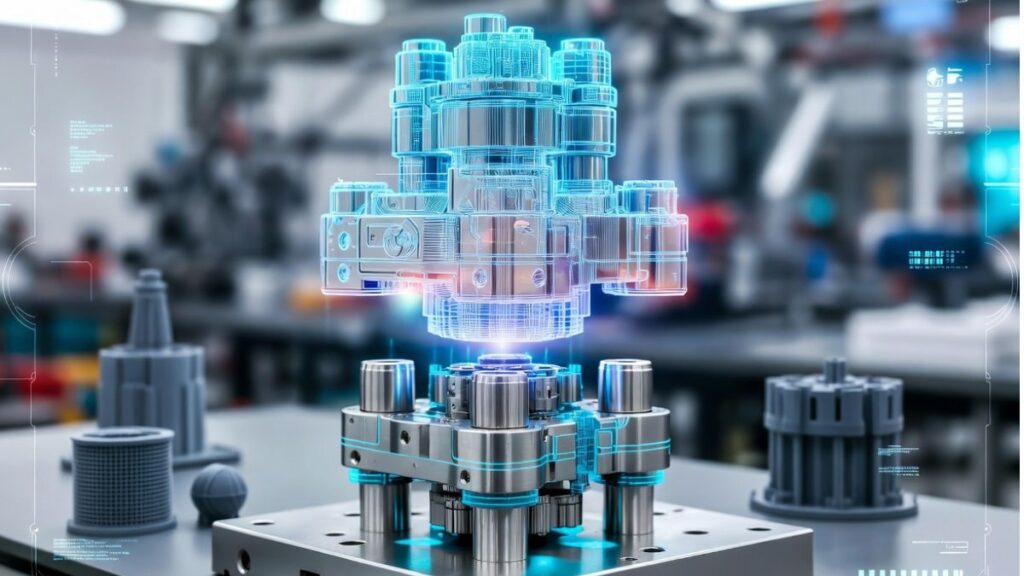
Repmold refers to a specialized replication molding process that uses digital tools to create high-fidelity duplicates of intricate designs. Unlike traditional molding that relies on expensive, time-consuming hard tooling, repmold leverages CAD models, 3D printing, and adaptive materials for rapid results.
The process typically starts with a detailed master pattern. Engineers then create flexible or smart molds that capture even micro-scale features. Materials like engineering resins or polymers are cast into these molds, cured precisely, and demolded to produce ready-to-use parts.
This method shines in low-to-medium volume production where speed and customization matter most. It reduces waste and allows quick iterations based on real-world testing.
The Evolution of Molding Technologies Leading to Repmold
Manufacturing has come a long way from manual craftsmanship to today’s smart factories. Early molding techniques were slow and rigid. The rise of computer-aided design and additive manufacturing paved the way for more flexible solutions.
Repmold sits at the heart of Industry 4.0. It combines automation, data analytics, and advanced materials to create a seamless workflow from digital concept to finished product. This evolution helps companies respond quickly to changing customer demands.
Key Features That Make Repmold Stand Out
Several core attributes set repmold apart from conventional methods:
- Digital Precision: AI-assisted design ensures flawless replication of complex geometries.
- Adaptive Molds: Flexible systems that adjust to different production needs.
- Rapid Prototyping: Turn ideas into testable parts in days instead of weeks.
- Material Versatility: Works with resins, elastomers, and sustainable composites.
- Scalability: Ideal for prototypes through to bridge production runs.
These features make repmold incredibly practical for modern teams.
Quick Comparison Table: Repmold vs Traditional Approaches
| Aspect | Traditional Molding | Repmold Process |
|---|---|---|
| Lead Time | Weeks to months | Days |
| Tooling Cost | High | Low to moderate |
| Customization | Limited | High at scale |
| Waste Generation | Higher | Minimal |
| Iteration Speed | Slow | Very fast |
This table highlights why many forward-thinking manufacturers are adopting repmold solutions.
Real-World Applications Across Industries
Repmold finds use in diverse sectors where precision and speed are critical.
Automotive and Aerospace
Engineers use it to create lightweight components, prototypes for aerodynamic testing, and custom seals. The technology accelerates innovation while maintaining strict safety standards.
Medical and Healthcare
From microfluidic devices to custom prosthetics, repmold supports biocompatible parts that meet rigorous regulatory requirements. It speeds up clinical trials and personalized solutions.
Consumer Electronics
Casings, connectors, and micro-sensor housings benefit from the fine detail and consistent quality repmold provides. Brands can launch products faster and stay ahead of competitors.
Construction and Beyond
Modular building elements and sustainable infrastructure parts are also emerging applications.
Advantages of Adopting Repmold Technology
Businesses that implement repmold enjoy several clear benefits. First, they slash development costs by avoiding expensive traditional tooling for initial runs. Second, they achieve faster time-to-market, which is crucial in competitive industries.
Additionally, the process promotes sustainability through reduced material waste and energy-efficient production. Teams gain greater design freedom, experimenting with complex shapes that were previously impractical.
Benefits Breakdown Table
| Benefit | Impact on Business |
|---|---|
| Cost Efficiency | Lower upfront investment |
| Speed | Quicker product launches |
| Sustainability | Reduced environmental footprint |
| Flexibility | Easy design iterations |
| Quality | Superior surface finish and accuracy |
These advantages translate directly into better profitability and innovation.
Pros and Cons of Repmold
Pros:
- Excellent detail reproduction for intricate designs.
- Cost-effective for prototypes and small batches.
- Supports a wide range of materials.
- Enhances sustainability efforts.
- Enables rapid market response.
Cons:
- May require initial investment in digital tools and training.
- Best suited for low-to-medium volumes rather than ultra-high mass production.
- Some material variations can affect consistency if not managed well.
- Integration with legacy equipment might need extra planning.
Understanding both sides helps you make informed decisions for your specific needs.
Common Mistakes to Avoid When Implementing Repmold
Many teams rush into new technologies without proper preparation. One frequent error is skipping thorough design optimization for mold flow and shrinkage. Another is choosing the wrong materials without testing under real conditions.
Failing to train staff on digital workflows can also slow adoption. Always plan for quality assurance protocols from the start, including dimensional checks and performance testing. Avoid over-relying on the technology for high-volume runs where traditional methods might still be more economical.
Best Practices for Success with Repmold
To get the most out of repmold, start with strong collaboration between design and manufacturing teams. Use simulation software early to predict outcomes and reduce physical trials.
Select materials carefully based on end-use requirements. Implement robust quality control at every stage. Consider integrating with IoT sensors for real-time monitoring in production. Finally, focus on sustainability by choosing recyclable or bio-based options whenever possible.
Following these practices ensures smooth implementation and maximum returns.
Conclusion
Repmold represents a significant leap forward in how we approach manufacturing. By combining digital precision with practical replication, it empowers businesses to innovate faster, reduce costs, and operate more sustainably. As industries continue evolving toward smarter, more agile production, this technology will play an increasingly vital role.
Whether you’re a startup validating ideas or an established manufacturer optimizing processes, exploring repmold could unlock new opportunities. The future of making things is here—and it’s more flexible and efficient than ever before.
FAQs
What is repmold used for?
Repmold is primarily used for precision replication of complex parts in industries like medical, automotive, electronics, and consumer goods, especially for prototypes and low-to-medium volume production.
How does repmold differ from traditional injection molding?
Repmold offers faster turnaround, lower tooling costs, and greater flexibility for customization, while traditional injection molding excels in very high-volume runs but requires higher initial investment.
Is repmold suitable for sustainable manufacturing?
Yes, it reduces waste, supports recyclable materials, and lowers energy consumption compared to many conventional processes.
What industries benefit most from repmold technology?
Medical devices, aerospace, automotive, electronics, and product design sectors gain the most from its precision and speed.
Can small businesses use repmold effectively?
Absolutely. Its cost-efficiency for prototypes and small batches makes it ideal for startups and smaller operations looking to iterate quickly.