Introduction
Have you ever wondered how you could slash your electricity bills while helping the planet at the same time? HMS Photovoltaik offers a powerful answer. This innovative approach to solar energy combines advanced photovoltaic technology with smart features that make harnessing the sun easier and more efficient than ever.
In today’s world, where energy costs keep rising and climate concerns grow, more homeowners and businesses are turning to solar. But not all systems deliver the same results. HMS Photovoltaik stands out by integrating hybrid, modular, and smart capabilities, delivering reliable power, real-time monitoring, and seamless energy storage integration.
Whether you’re exploring solar for the first time or upgrading an existing setup, understanding HMS Photovoltaik can open doors to greater savings and energy independence. Let’s dive into what makes this technology a game-changer.
What Is HMS Photovoltaik?
HMS Photovoltaik represents the next generation of solar power systems. “Photovoltaik” comes from the German term for photovoltaic technology — converting sunlight directly into electricity. The “HMS” highlights Hybrid, Modular, and Smart design principles that set it apart from basic setups.
Unlike traditional solar arrays that rely on a single central inverter, these systems often use microinverters or advanced hybrid solutions. This means each panel or small group of panels operates independently, maximizing output even when some areas face shading or different orientations.
Quick Facts Table:
| Aspect | Traditional PV | HMS Photovoltaik |
|---|---|---|
| Inverter Type | Central/String | Microinverters/Hybrid |
| Shading Tolerance | Low | High (panel-level optimization) |
| Monitoring | Basic | Real-time smart app |
| Storage Integration | Limited | Seamless battery support |
| Warranty | 10-15 years | Up to 25 years |
This table shows why many choose HMS-style systems for better long-term performance.
How HMS Photovoltaik Systems Work
The process starts with high-efficiency solar panels capturing sunlight. Advanced inverters then convert the direct current (DC) into alternating current (AC) for home use. In HMS Photovoltaik setups, microinverters attached to individual panels handle this conversion right at the source.
Excess energy can charge batteries for later use or feed back into the grid. Smart monitoring platforms let you track production, consumption, and savings from anywhere using a phone app.
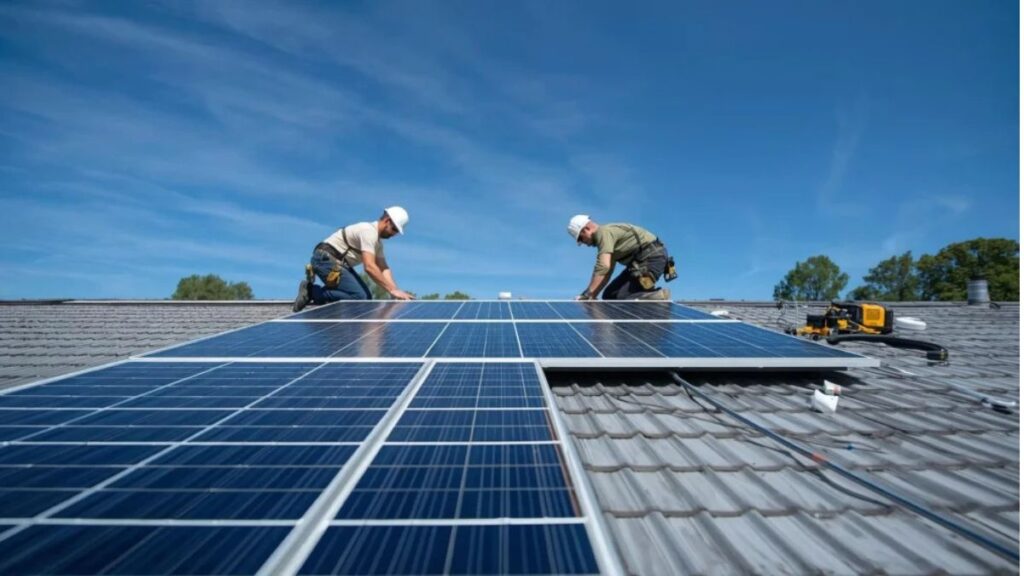
Transitioning to this system feels straightforward. Installers connect panels, microinverters, and optional batteries, then configure the smart software. Once running, the system optimizes itself automatically.
Key Benefits of Choosing HMS Photovoltaik
People love these systems for several compelling reasons. First, they boost energy production. Because each panel works independently, you often see 5-25% more output compared to string inverters, especially on complex roofs.
Second, safety improves with rapid shutdown features. In emergencies, the system can quickly de-energize, protecting first responders.
Third, maintenance becomes simpler thanks to remote diagnostics. You spot issues early without climbing onto the roof.
Pros and Cons Table:
| Pros | Cons |
|---|---|
| Higher efficiency in varied conditions | Higher upfront cost |
| Excellent monitoring and control | Requires professional installation |
| Easy battery integration | Learning curve for app features |
| Long warranties and reliability | Dependent on sunlight availability |
| Scalable for future expansion | Initial permitting process |
Overall, the pros strongly outweigh the cons for most users seeking long-term value.
Residential Applications of HMS Photovoltaik
Imagine waking up to your home running on clean solar power stored overnight. For families, HMS Photovoltaik means lower monthly bills and backup power during outages. Parents appreciate the environmental legacy they leave for kids.
A typical 5-10 kW system can cover most household needs. Pair it with a compatible battery, and you gain energy independence. Many users report saving thousands annually while enjoying peace of mind during storms.
Practical example: A homeowner in a sunny region installs HMS microinverters on a partially shaded roof. The system still delivers strong performance, charging an EV overnight and powering appliances during peak hours.
Commercial and Industrial Uses
Businesses benefit even more dramatically. Offices, warehouses, and factories reduce operational costs significantly. Smart features allow peak shaving — using stored solar energy when utility rates spike.
Retail stores use these systems to power lighting and HVAC sustainably, enhancing their green image. Larger installations scale modularly, adding capacity as the business grows without major overhauls.
Career Timeline Style Summary for Adoption:
- Year 1: Installation and rapid payback begins
- Years 2-5: Consistent savings and minimal maintenance
- Years 6+: Net positive cash flow with warranty protection
This framework helps decision-makers project returns clearly.
Comparing HMS Photovoltaik to Traditional Systems
Many wonder about the differences. Traditional string inverters connect panels in a series, so one underperformer drags down the whole array. HMS Photovoltaik microinverters avoid this pitfall.
Hybrid options further shine by supporting battery storage natively. You gain resilience that basic grid-tied systems lack.
Common Mistakes to Avoid When Going Solar
First, skipping a proper site assessment leads to suboptimal panel placement. Always evaluate shading and roof condition.
Second, choosing cheap components without strong warranties backfires. Invest in reputable HMS-style technology for longevity.
Third, ignoring local incentives and permitting delays projects. Work with experienced installers who handle paperwork smoothly.
Fourth, neglecting monitoring setup means missing optimization opportunities. Use the smart apps from day one.
Avoiding these pitfalls ensures you maximize your HMS Photovoltaik investment.
Best Practices for HMS Photovoltaik Success
Start with a professional energy audit. This reveals exact needs and potential savings.
Select components certified for your climate. Quality microinverters and batteries make a huge difference.
Schedule regular but infrequent check-ups. Remote monitoring handles most tasks.
Educate your household or team on the app. Understanding usage patterns unlocks further efficiencies.
Finally, plan for expansion. Modular designs make adding panels or storage straightforward later.
Best Practices List:
- Prioritize south-facing roof sections (in Northern Hemisphere)
- Combine with energy-efficient appliances
- Monitor weather impacts via app
- Review annual performance reports
- Stay updated on new firmware for inverters
Following these steps leads to optimal results year after year.
Environmental and Financial Impact
Switching to HMS Photovoltaik cuts carbon emissions substantially. A single home system can offset tons of CO2 annually — equivalent to planting dozens of trees.
Financially, incentives like tax credits accelerate payback periods, often to 5-8 years. After that, it’s mostly free electricity plus potential grid export earnings.
Conclusion
HMS Photovoltaik transforms how we think about solar energy. It delivers efficiency, intelligence, and reliability that older systems simply can’t match. As technology advances, these smart photovoltaic solutions will only become more essential for sustainable living.
Ready to power a brighter future? Explore HMS Photovoltaik options today and take control of your energy needs. The sun is shining — why not put it to work for you?
FAQs
What does HMS Photovoltaik mean?
HMS Photovoltaik refers to advanced hybrid, modular, and smart solar photovoltaic systems that optimize energy production with microinverters and intelligent monitoring.
How much does an HMS Photovoltaik system cost?
Costs vary by size and location, but typical residential setups range from $15,000 to $35,000 before incentives. Payback often occurs within 6-10 years through bill savings.
Is HMS Photovoltaik better than traditional solar?
Yes, for most scenarios. It offers superior shading tolerance, monitoring, and storage integration compared to basic string inverter systems.
Can HMS Photovoltaik work with battery storage?
Absolutely. Many configurations support seamless hybrid battery integration for backup power and greater self-consumption.
What maintenance does an HMS Photovoltaik system need?
Very little. Panels stay efficient with occasional cleaning, while smart monitoring alerts you to any rare issues remotely.