
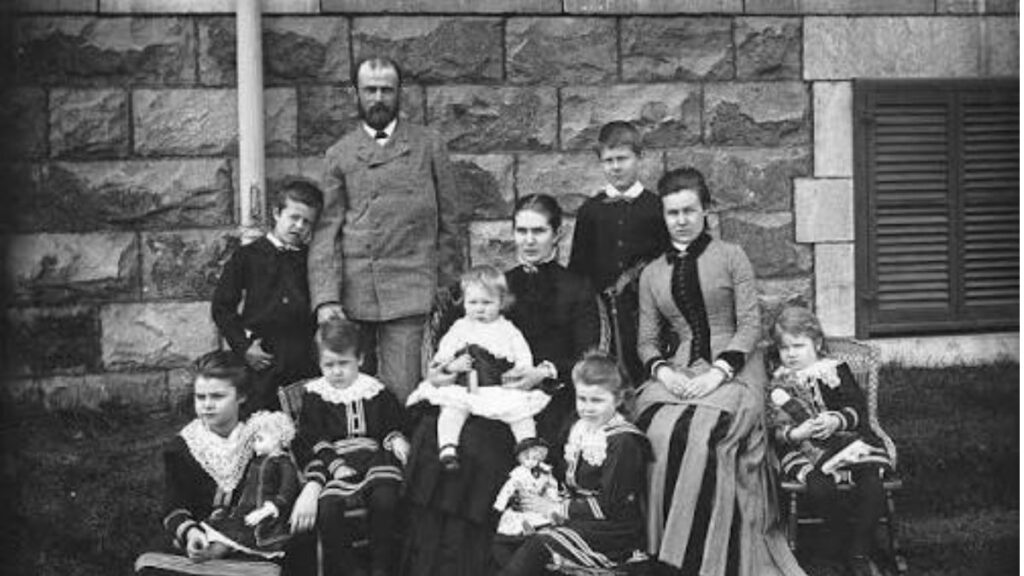
Have you ever wondered about the stories hidden inside a last name like Peitner? Surnames often carry whispers of where our ancestors lived, what they did for a living, or the landscapes that shaped their daily lives. Today, we dive deep into the Peitner surname—its roots, meaning, and the rich tapestry of family history it represents. Whether you’re tracing your own lineage or simply curious about European heritage, this name offers fascinating insights.
What Does the Name Peitner Mean?
The Peitner surname primarily points to a topographic origin. In simple terms, it describes someone who lived near or on a mountain slope or ridge. This makes perfect sense given its strong ties to the Alpine regions of Central Europe.
Think about it: In earlier times, people didn’t have street addresses. Instead, names helped identify individuals by their surroundings. A “Peitner” was likely the person residing by that steep incline or spur of land. This connection to nature reflects a hardy, resilient lifestyle shaped by challenging yet beautiful terrain.
Some sources also explore possible occupational links, such as connections to painting or metalwork in certain variations, but the topographic explanation remains the most widely accepted.
Historical Origins and Geographic Roots
Peitner traces back to Germanic linguistic traditions, especially in Bavaria and Austria. The name likely evolved from Middle High German terms like “līte,” referring to a slope or mountain spur, combined with the suffix “-er” indicating a resident or inhabitant.
Quick Facts Table:
| Aspect | Details |
|---|---|
| Primary Origin | Germanic (Bavaria, Austria) |
| Name Type | Topographic |
| Core Meaning | Dweller by a mountain slope or ridge |
| Common Variations | Peintner, Peithner |
| Early Regions | Alpine areas of Central Europe |
Families with this surname often settled in hilly or mountainous districts where agriculture, herding, and craftsmanship thrived despite the rugged environment. Over centuries, migrations spread the name further, though it remains relatively uncommon globally.
Peitner Family Migration and Distribution
As European populations shifted, so did bearers of the Peitner name. Many moved to other parts of Europe or across the ocean in search of new opportunities. In the United States, records show small clusters in the late 19th and early 20th centuries, often tied to immigrant communities preserving their cultural identity.
Today, the name appears in modest numbers, adding to its unique appeal for genealogists. Exploring census data, passenger lists, and church records can uncover personal stories of adaptation and perseverance.
Notable Individuals with the Peitner Surname
While not extremely common, the Peitner name connects to accomplished people across fields. For instance, Elmar Peintner stands out as an Austrian contemporary artist whose work captures creative expression. Markus Peintner has also gained recognition in sports circles.
These examples highlight how the name continues to appear in modern contexts, from arts to athletics, showing the diverse paths descendants have taken.
Notable Figures Summary Table:
| Name | Field | Contribution Highlight |
|---|---|---|
| Elmar Peintner | Visual Arts | Contemporary Austrian artist |
| Markus Peintner | Sports | Athletic achievements in Austria |
| Various Historical | Genealogy/History | Early settlers in Alpine communities |
Tracing Your Peitner Ancestry: Practical Steps
Curious about your own connection? Start with online databases like Ancestry or FamilySearch. Look for baptismal records, marriage certificates, and land deeds from Bavaria or Austria. DNA testing can also reveal matches with distant relatives sharing similar topographic heritage.
Pros and Cons of Surname Research
Pros:
- Uncovers rich cultural stories tied to specific landscapes.
- Connects you with a global (though small) community of researchers.
- Provides emotional links to ancestors’ resilience.
Cons:
- Limited records for rare names can make tracing challenging.
- Spelling variations (like Peintner) require flexible searches.
- Historical events may have disrupted documentation.
Common Mistakes in Surname Genealogy
Many beginners jump straight to popular sites without verifying sources. Always cross-check multiple records. Another pitfall? Ignoring regional dialects that altered spellings over time. Finally, overlooking women’s maiden names can break family chains.
Best Practices for Building Your Family Tree
Focus on one branch at a time. Document everything with citations. Join surname-specific forums or Facebook groups for shared insights. Visit ancestral regions if possible—walking those same slopes can bring history alive. Use free tools like Google Earth to visualize migration routes.
Best Practices Framework Table:
| Practice | Why It Works | Tip for Success |
|---|---|---|
| Verify Multiple Sources | Reduces errors | Compare church and civil records |
| Track Name Variations | Captures spelling changes | Search Peintner, Peithner, etc. |
| Engage Community | Gains collaborative knowledge | Participate in genealogy forums |
| Preserve Stories | Adds human depth to names | Interview elders and record oral histories |
By following these, you’ll build a reliable, meaningful tree.
The Enduring Legacy of the Peitner Name
The Peitner surname embodies strength drawn from steep challenges and breathtaking views. It reminds us that our identities often stem from the land our forebears called home. Whether you’re a direct descendant or an enthusiast, exploring this name opens doors to broader European history and personal discovery.
In a world of common surnames, Peitner stands apart with its rarity and vivid imagery of Alpine life. It encourages us to appreciate the slopes—literal and metaphorical—that shape who we are.