
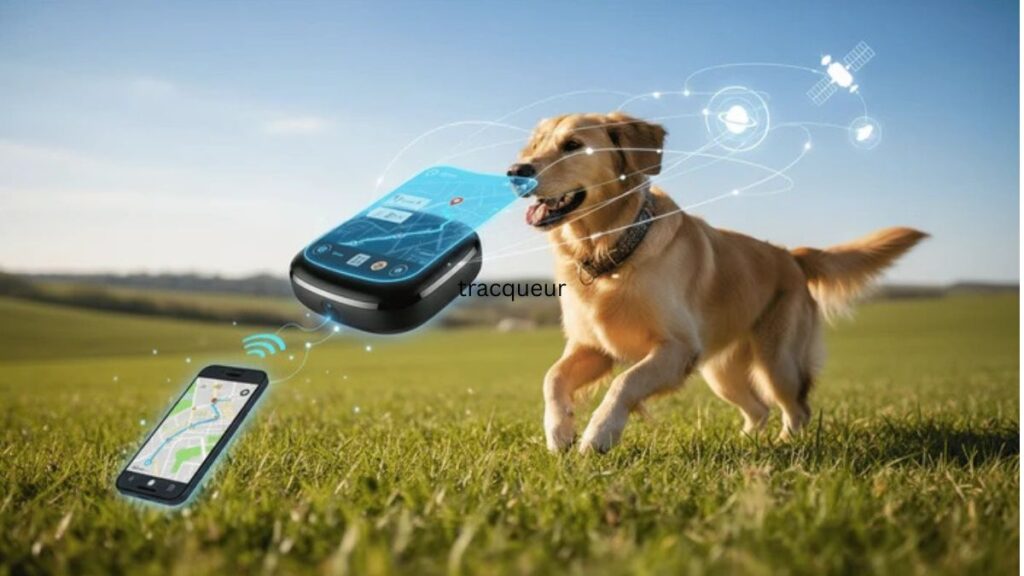
Have you ever misplaced your keys right before rushing out the door or worried about your car getting stolen? A tracqueur can solve those problems instantly. These smart tracking devices have become essential tools for keeping tabs on valuables, vehicles, pets, and even loved ones. In this comprehensive guide, we explore everything you need to know about tracqueurs.
Whether you’re a busy parent, a fleet manager, or someone who simply hates losing things, understanding how these devices work will change how you protect what matters most.
What Is a Tracqueur Exactly?
A tracqueur is essentially a tracking device that uses technologies like GPS, Bluetooth, or cellular networks to monitor and report the location of objects or people in real time. The term comes from the French word for “tracker,” and it perfectly captures the device’s purpose: following something closely.
These compact gadgets send location data to your smartphone via dedicated apps. Many also include features like geofencing alerts, movement notifications, and long battery life.
Unlike basic finders, modern tracqueurs offer advanced capabilities. They blend seamlessly into daily life while providing peace of mind.
How Do Tracqueurs Work?
Tracqueurs rely on a combination of technologies for accurate positioning. GPS provides global satellite-based location data, while Bluetooth Low Energy (BLE) works well for short-range tracking indoors. Cellular connectivity allows devices to report from almost anywhere.
Most models pair with a mobile app where you view live updates, set boundaries, and receive notifications. Battery management plays a key role—some last months on a single charge thanks to efficient sensors.
For example, attaching a small tracqueur to your wallet means you get an alert the moment it leaves your pocket. Vehicle tracqueurs often integrate with car systems for theft recovery.
Types of Tracqueurs Available Today
Different needs call for different tracqueurs. Here’s a quick breakdown:
- Keychain and Personal Trackers: Small, lightweight devices perfect for keys, bags, or laptops.
- Vehicle GPS Tracqueurs: Discreet units for cars, motorcycles, or fleets with real-time monitoring and anti-theft features.
- Pet Trackers: Collar-mounted devices designed for durability and water resistance.
- Asset and Cargo Trackers: Heavy-duty options for business use, often with temperature sensors.
Each type excels in specific scenarios, so choosing the right one depends on your primary use case.
| Type of Tracqueur | Best For | Key Features | Battery Life |
|---|---|---|---|
| Personal/Keychain | Keys, wallets, bags | Compact size, Bluetooth | Up to 1 year |
| Vehicle | Cars, bikes, fleets | GPS + Cellular, alerts | Weeks to months |
| Pet | Dogs, cats | Waterproof, activity monitoring | 1-3 months |
| Asset | Business equipment | Rugged build, sensors | Extended with solar options |
This comparison helps you quickly match a device to your lifestyle.
Top Benefits of Using a Tracqueur
Tracqueurs deliver real convenience and security. You recover lost items faster, reduce theft risks, and gain valuable insights like travel patterns for vehicles or pets.
Parents appreciate family safety features, while businesses cut down on losses through better asset management. Many users report significant cost savings from prevented thefts alone.
Moreover, these devices promote peace of mind. Knowing you can locate your belongings instantly removes daily stress.
Potential Drawbacks and Considerations
No technology is perfect. Some tracqueurs depend on subscription fees for cellular service, which can add up. Battery life varies by model and usage, and privacy concerns arise when tracking people.
Signal issues may occur in remote areas or dense buildings. Always check compatibility with your phone and review data policies before purchase.
| Pros of Tracqueurs | Cons of Tracqueurs |
|---|---|
| Real-time location tracking | Subscription costs for premium features |
| Theft prevention and recovery | Potential privacy implications |
| Easy setup and user-friendly apps | Battery dependency and occasional signal loss |
| Versatile applications | Device size may not suit every item |
Weighing these factors ensures you select a solution that fits your needs without surprises.
Common Mistakes People Make with Tracqueurs
Many buyers overlook battery management and end up with dead devices at critical moments. Others choose cheap no-name models that lack reliable support or accurate tracking.
Failing to set up geofencing properly leads to missed alerts. Some ignore privacy settings, especially when sharing access with family members.
Avoid these pitfalls by researching brands thoroughly and testing devices in real conditions before full commitment.
Best Practices for Getting the Most from Your Tracqueur
Start by identifying your main tracking goal. Then select a device with matching features and strong reviews. Update the companion app regularly for the latest security patches.
Place tracqueurs strategically—hide vehicle units out of sight and test signal strength in typical locations. Combine devices with other security measures like alarms for layered protection.
Monitor usage data to optimize battery life. For families, establish clear rules around tracking to respect everyone’s comfort levels.
Here’s a simple framework for success:
- Define your needs clearly.
- Research and compare models.
- Set up alerts and boundaries immediately.
- Regularly check device health.
- Review location history for insights.
Following these steps maximizes value and reliability.
Real-World Examples of Tracqueurs in Action
One user recovered a stolen bicycle within hours thanks to a discreet tracqueur that reported live coordinates to police. Pet owners often share stories of finding escaped dogs miles away using GPS collars.
Businesses use fleet tracqueurs to optimize routes and reduce fuel costs. Even hikers attach them to backpacks for emergency location sharing.
These examples show how tracqueurs deliver practical solutions across different situations.
Choosing the Right Tracqueur for You
Consider range, battery life, subscription costs, and durability when shopping. Look for models with good app ratings and responsive customer support.
Budget options work for occasional use, but premium tracqueurs justify the investment for frequent or critical applications. Read recent user reviews, as technology evolves quickly.
Conclusion
A tracqueur offers a simple yet powerful way to stay connected to what matters most. From preventing loss to enhancing security, these devices have earned their place in modern life. Take time to evaluate your needs, explore options, and start with a reliable model. You’ll wonder how you managed without one.
Ready to protect your valuables? The right tracqueur could be the smartest small investment you make this year.
FAQs
What is a tracqueur used for?
A tracqueur is used to monitor and locate items like keys, vehicles, pets, or assets in real time using GPS or Bluetooth technology.
How accurate is a tracqueur?
Most modern tracqueurs provide location accuracy within a few meters outdoors via GPS, though indoor performance may rely on Bluetooth and be slightly less precise.
Do tracqueurs require a subscription?
Many advanced models with cellular connectivity require a monthly subscription for full features, while basic Bluetooth versions often work without ongoing fees.
Are tracqueurs legal to use?
Yes, tracqueurs are generally legal for tracking your own belongings, but always respect privacy laws and obtain consent when tracking people or shared property.
How long does a tracqueur battery last?
Battery life varies from weeks to over a year depending on the model, tracking frequency, and features used. Rechargeable and long-life options are widely available.